Category: blogs-en

  • What to Eat in Kobe: 8 Foods You Should Try

    What to Eat in Kobe: 8 Foods You Should Try

    Planning a trip to Kobe? While the city is famous around the world for its Kobe Beef, there is much more to discover when it comes to Kobe food.

    From local comfort food to street food and traditional sweets, Kobe has a diverse food culture influenced by its history as an international port city.

    Here are 8 foods you should try in Kobe during your visit.
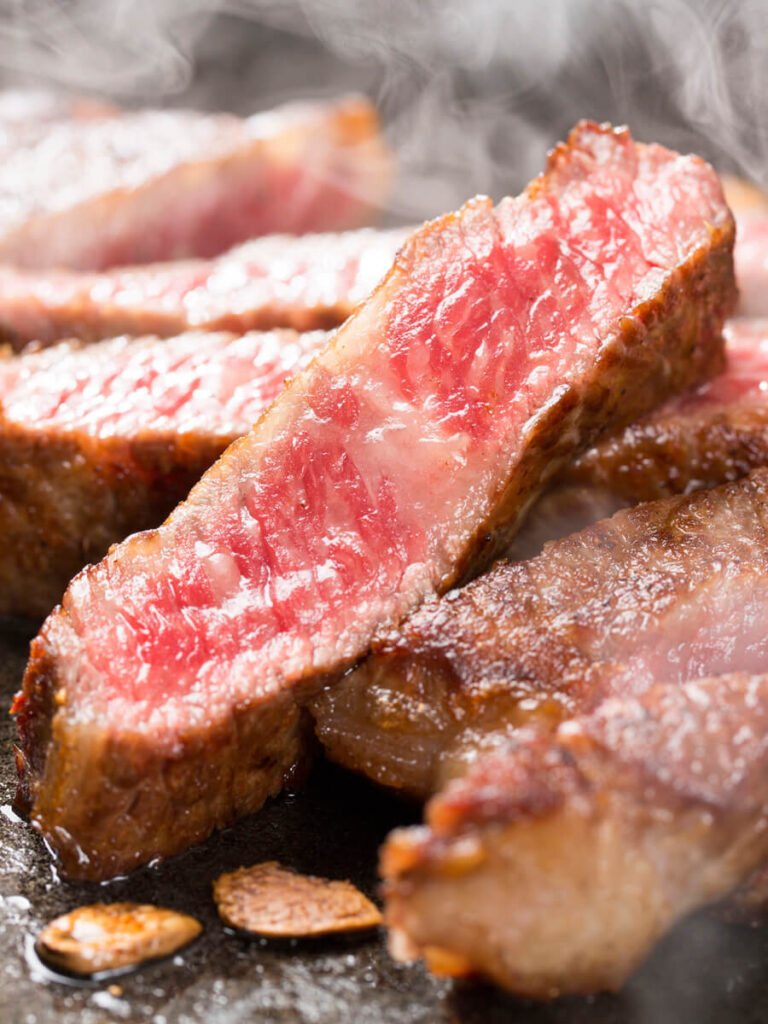

    1. Kobe Beef

    Of course, we have to start with Kobe Beef.

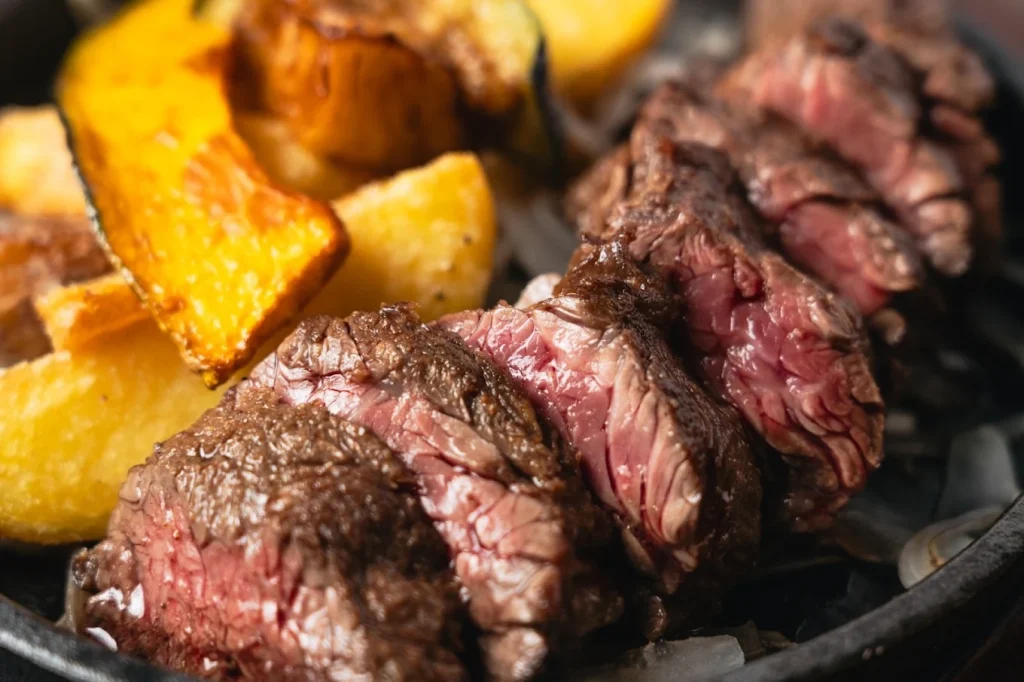
    Kobe Beef is one of Japan’s most famous luxury foods and is known for its beautiful marbling, tenderness, and rich flavor.

    Authentic Kobe Beef comes from Tajima cattle raised in Hyogo Prefecture and must meet strict standards to receive the Kobe Beef designation.

    How Should You Try Kobe Beef?

    There are several ways to enjoy it, including:

    • Kobe Beef steak
    • Shabu-shabu
    • Sukiyaki
    • Teppanyaki
    • Kobe Beef hamburger steak

    For first-time visitors, a Kobe Beef steak is one of the best ways to appreciate the flavor and texture of the meat.

    Enjoy Kobe Beef at Kamishige

    If you want to experience Kobe Beef during your trip, Kobe Beef Steak & Hamburg Kamishige is a great option to add to your Kobe itinerary.

    Enjoy a Kobe Beef steak or try a Kobe Beef hamburger while exploring the city.

    Because popular dining times can become busy, we recommend reserving your seat at Kamishige in advance, especially if you are visiting Kobe on a weekend or during a busy travel season.
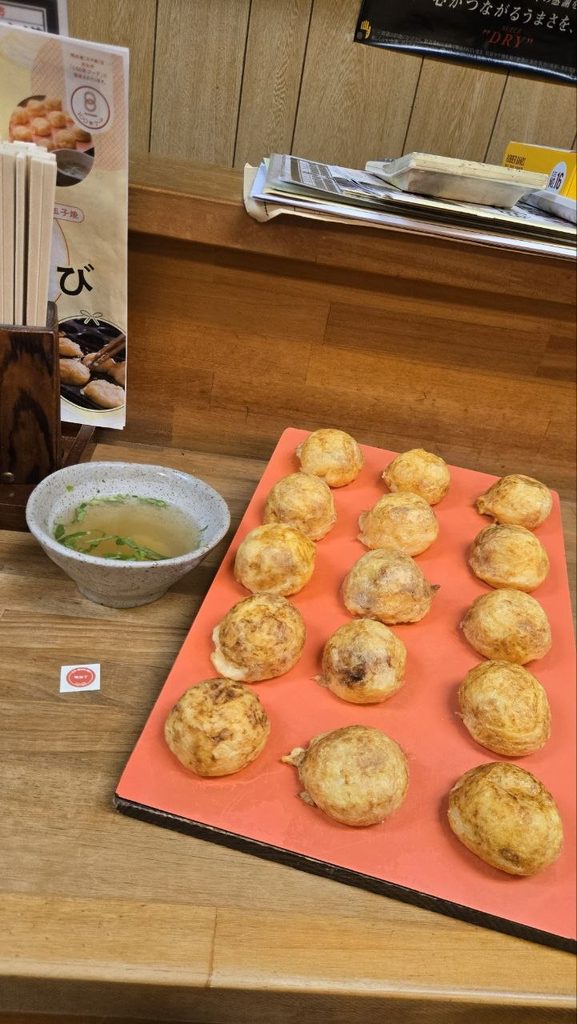

    2. Akashiyaki

    Although Akashiyaki originated in nearby Akashi City, it is a popular local food that you can easily find around Kobe and Hyogo.

    They may look similar to takoyaki, but Akashiyaki has a much softer and lighter texture.

    The octopus-filled balls are traditionally served with a warm dashi broth, making them especially comforting on a cooler day.

    If you enjoy takoyaki, Akashiyaki is definitely worth trying while visiting Kobe.


    3. Sobameshi

    Sobameshi is one of Kobe’s famous comfort foods.

    It combines yakisoba noodles with fried rice and is usually cooked together with ingredients such as meat and vegetables.

    The dish originated in Kobe’s Nagata area and became popular as an inexpensive and filling meal for local workers.

    If you want to try something that feels truly local, sobameshi is worth adding to your Kobe food list.


    4. Kobe Croquettes

    Croquettes, or korokke, are a popular Japanese snack made with ingredients such as mashed potatoes, meat, or vegetables before being coated and deep-fried.

    Kobe has a long history of Western culinary influence, and you can find various styles of croquettes throughout the city.

    They are perfect as a quick snack while exploring Kobe’s shopping streets.

    Try one as you walk around Motomachi, Sannomiya, or Nankinmachi.


    5. Chinese Food in Nankinmachi

    Kobe’s Nankinmachi Chinatown is one of the city’s most popular food destinations.

    Take a walk through the lively streets and try Chinese-style street food such as:

    • Pork buns
    • Gyoza
    • Sesame dumplings
    • Roast pork
    • Various steamed snacks

    It’s a great place to stop for a quick bite while sightseeing around central Kobe.

    The lively atmosphere also makes Nankinmachi a fun place to explore between meals.


    6. Kobe Pudding

    Kobe is also known for its sweets, and Kobe Pudding is a popular dessert and souvenir.

    The smooth pudding has a creamy texture and is often enjoyed chilled.

    Because it is commonly sold in gift shops and department stores, it is also an easy souvenir to take home after your trip.

    If you have a sweet tooth, try Kobe Pudding after lunch or pick up a few boxes before leaving the city.


    7. Kobe-style Western Food

    Kobe has a unique connection with Western cuisine.

    As one of Japan’s major international ports, Kobe developed a strong foreign influence, particularly after the port opened to international trade in the 19th century.

    This helped create Kobe’s yoshoku food culture — Japanese interpretations of Western dishes.

    Look for dishes such as:

    • Omurice
    • Beef cutlets
    • Hamburg steak
    • Hayashi rice
    • Cream croquettes

    Trying yoshoku is a great way to experience a different side of Kobe’s culinary history.


    8. Kobe’s Local Bakeries

    Kobe is famous for its bakery culture.

    You will find everything from traditional Japanese breads to European-inspired pastries and freshly baked sweets.

    Grab a pastry for breakfast or pick up some bread before heading out for a day of sightseeing.

    Kobe’s bakery scene is particularly enjoyable around areas such as Sannomiya and Motomachi.


    Where Should You Eat in Kobe?

    Kobe’s food culture is one of the city’s biggest attractions.

    From a luxurious Kobe Beef steak to inexpensive local dishes such as sobameshi, there is something for every type of traveler and budget.

    If Kobe Beef is at the top of your food list, consider making a reservation before your visit.

    Make Kobe Beef Part of Your Kobe Trip

    After exploring places such as Meriken Park, Kobe Harborland, Nankinmachi, or Kitano, sit down and enjoy an authentic Kobe Beef meal.

    At Kobe Beef Steak & Hamburg Kamishige, you can enjoy Kobe Beef in a relaxed setting, whether you’re looking for a steak or a hamburger-style Kobe Beef dish.

    Planning to visit? Reserve your seat at Kamishige in advance so you can enjoy your Kobe Beef experience without having to worry about finding a table during busy hours.

    A day of sightseeing followed by Kobe Beef is a simple way to make your Kobe trip even more memorable.

  • Things to Do in Japan in September 2026: Events, Travel Tips & Typhoon Season Guide

    Things to Do in Japan in September 2026: Events, Travel Tips & Typhoon Season Guide

    Planning a trip to Japan this September 2026? September is an exciting time to visit, with summer festivals continuing, and fewer crowds in some popular destinations after the summer holiday season.

    However, September is also part of Japan’s typhoon season, so travelers should prepare for changing weather and possible transportation disruptions.

    Here are some of the best things to do in Japan in September 2026, along with important travel tips.


    1. Experience Japan’s Late-Summer Festivals

    Although August is the peak month for summer festivals, some exciting festivals and traditional events continue into September.

    Visitors can enjoy:

    • Traditional Japanese festivals
    • Bon Odori and cultural performances
    • Local food stalls
    • Shrine events
    • Evening celebrations

    If you want to experience Japanese culture beyond the major tourist attractions, checking the local festival calendar for your destination is highly recommended.


    2. Enjoy Early Autumn in Japan

    September is a transition period between summer and autumn.

    While much of Japan can still be hot and humid, especially in the first half of the month, the weather gradually becomes more comfortable toward the end of September.

    It is a good time to explore:

    • Parks and gardens (such as Kobe Meriken Park, Nunobiki Herb Garden)
    • Historic neighborhoods (Kobe Kitanocho, Nankinmachi)
    • Temples and shrines (Ikuta Jinja, Minatogawa Shrine)
    • Mountain areas (Mt. Rokko Cable, Sumaura Sanjo Yuen Park)

    *Don’t expect peak autumn foliage in most parts of Japan during September. The main autumn-color season usually comes later.


    3. Visit Kobe for Summer Events and Waterfront Activities

    If you’re traveling through Kansai, Kobe is an excellent September destination.

    Spend the day exploring Meriken Park and Kobe Harborland, enjoy the waterfront scenery, and check the city’s seasonal event calendar for festivals and cultural events.

    You can also explore attractions such as:

    • Kobe Port Tower
    • Ikuta Shrine
    • Nankinmachi Chinatown
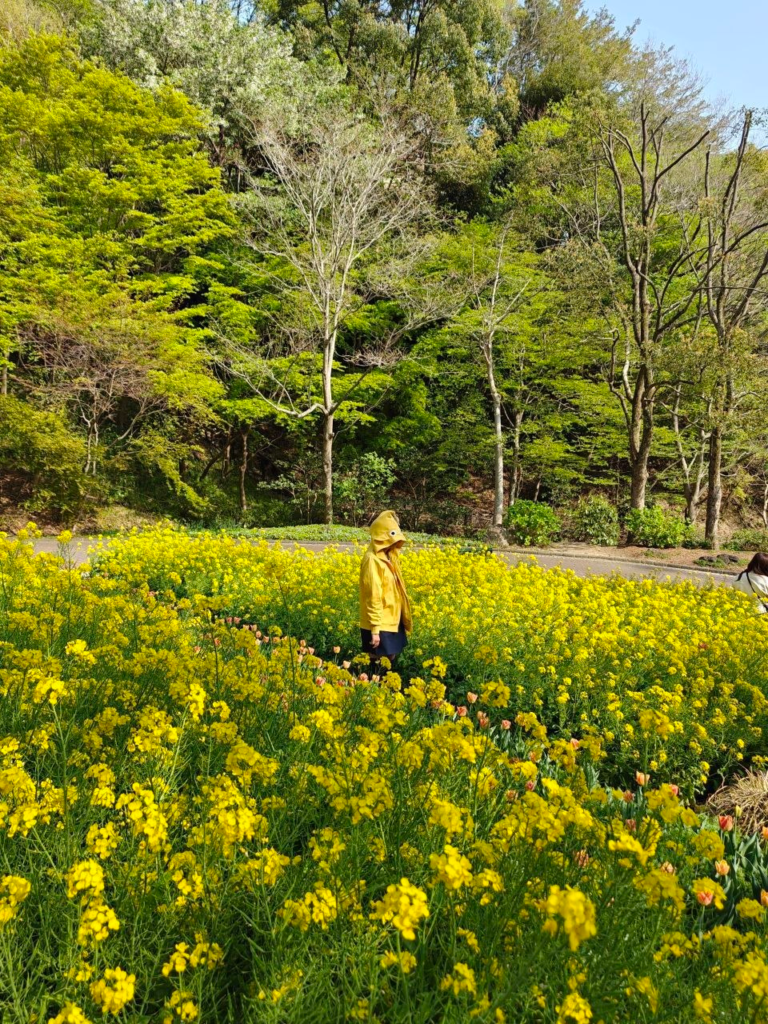
    • Kobe Nunobiki Herb Gardens
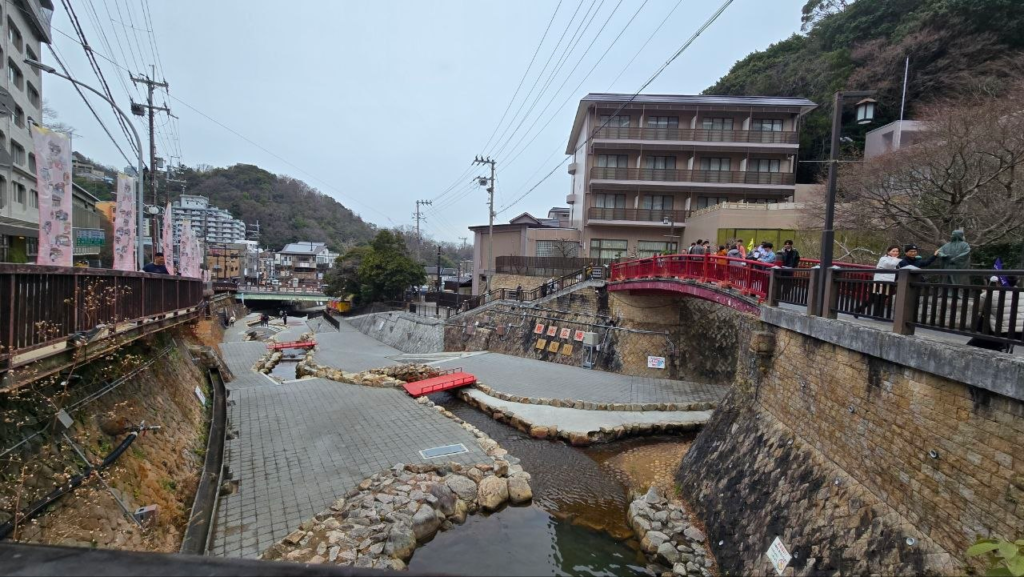
    • Arima Onsen

    And of course, no trip to Kobe is complete without trying Kobe Beef.


    4. Enjoy Seasonal Japanese Food

    September is when autumn flavors begin appearing on restaurant menus and in convenience stores across Japan.

    Look for seasonal ingredients such as:

    • Sweet potatoes
    • Chestnuts
    • Mushrooms
    • Persimmons
    • Seasonal fish
    • Japanese pears

    Food lovers can enjoy the transition from refreshing summer dishes to richer autumn flavors.


    Japan Typhoon Season: What Travelers Should Know

    September is also one of the months when typhoons are most common in Japan. A typhoon can bring heavy rain and strong winds and may cause temporary disruptions to trains, flights, and outdoor attractions.

    This doesn’t mean you should avoid Japan in September. Instead, keep your itinerary flexible.

    If a typhoon is approaching:

    • Check the Japan Meteorological Agency (JMA) forecast.
    • Check train and flight information before traveling.
    • Follow instructions from local authorities and your hotel.
    • Move outdoor activities to another day if necessary.
    • Have indoor alternatives such as museums, shopping, and restaurants.

    Most importantly, don’t travel unnecessarily during severe weather.


    Is September a Good Time to Visit Japan?

    Yes!

    September can be a great month for exploring Japan if you are prepared for the weather.

    You can enjoy late-summer festivals, seasonal food, sightseeing, shopping, and cultural experiences while gradually entering the autumn travel season.

    Just remember to check the weather, monitor typhoon information, and keep your itinerary flexible.

    Whether you’re exploring Tokyo, Kyoto, Osaka, or Kobe, September offers plenty of opportunities to experience Japan beyond the peak summer season.

  • Best Summer Activities in Kobe: Festivals, Fireworks, Water Events & Kobe Beef Experiences

    Best Summer Activities in Kobe: Festivals, Fireworks, Water Events & Kobe Beef Experiences

    Planning a summer trip to Kobe, Japan? Kobe is one of the best destinations in Kansai to enjoy a Japanese summer, offering a unique combination of seaside views, mountain escapes, traditional festivals, and world-famous cuisine.

    Located between Mount Rokko and Osaka Bay, Kobe allows visitors to experience everything from historic shrines and lively summer events to relaxing harbor walks and unforgettable food experiences.

    Whether you are visiting Kobe with family, friends, as a couple, or traveling solo, here are the best summer activities in Kobe you should add to your itinerary.


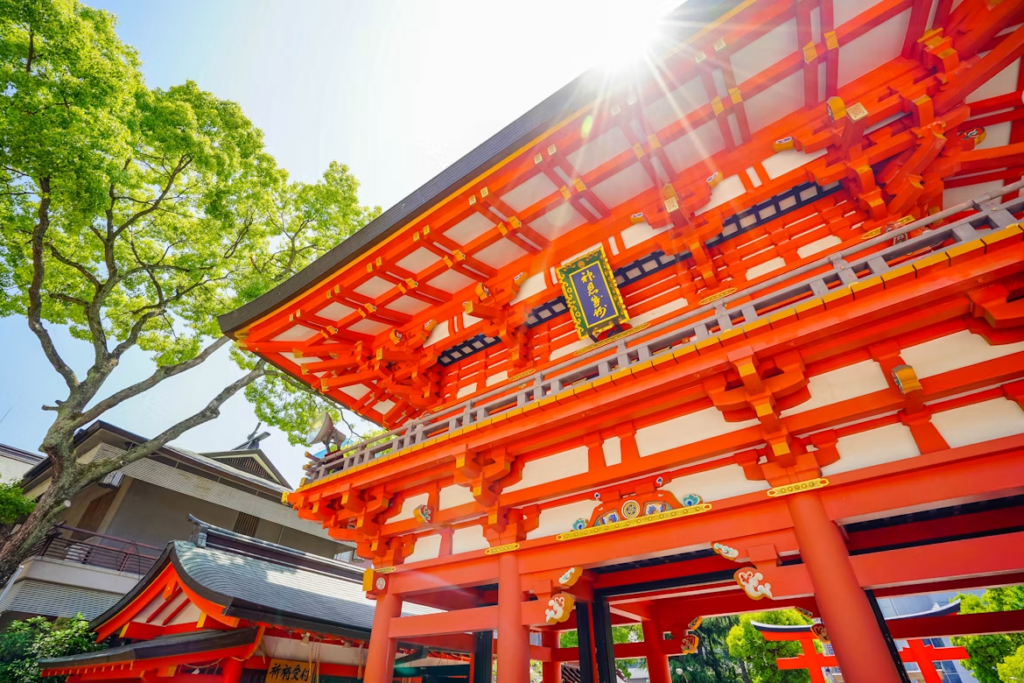
    1. Experience Ikuta Shrine’s Summer Festival (生田神社 大海夏祭)

    One of the best ways to experience traditional Japanese summer culture in Kobe is by visiting the Ikuta Shrine Summer Festival (生田神社 大海夏祭).

    Located in the heart of Kobe near Sannomiya, Ikuta Shrine is one of the city’s most historic shrines. During summer, the shrine becomes lively with festival decorations, performances, and local visitors enjoying the traditional matsuri (festival) atmosphere.

    Visitors can enjoy:

    • Traditional Japanese festival performances
    • Food stalls with summer favorites
    • Festival games and activities
    • Evening lantern scenery
    • A lively atmosphere with locals and tourists

    The combination of a historic shrine, summer lights, and Japanese festival culture makes Ikuta Shrine a must-visit summer destination in Kobe.

    Best time to visit: Evening when the festival atmosphere becomes livelier
    Location: Ikuta Shrine, Sannomiya


    2. Cool Down at Kobe’s Summer Water Events at Meriken Park

    Summer in Kobe can be warm, but the city offers plenty of refreshing waterfront activities.

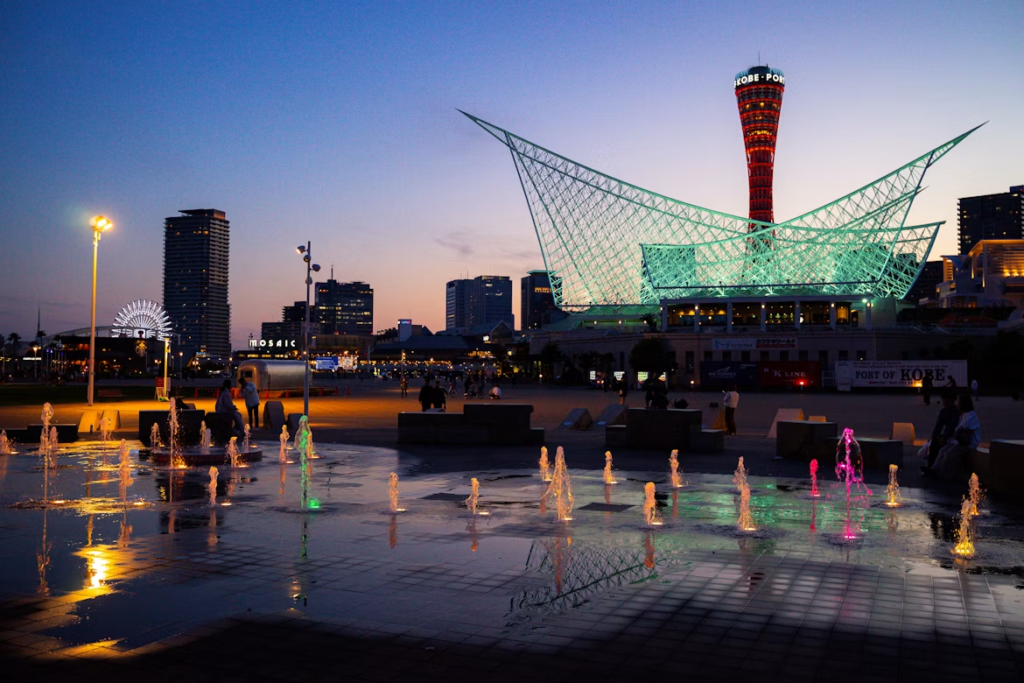
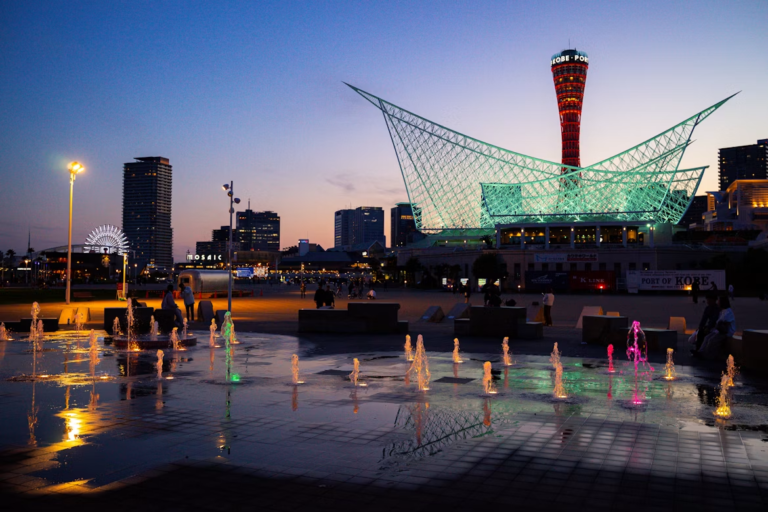
    The Meriken Park and Kobe Harborland area hosts seasonal summer water events where visitors can enjoy impressive fountain shows, interactive water activities, and entertainment surrounded by Kobe’s beautiful harbor scenery.

    These events are especially popular with families and travelers looking for a fun way to escape the summer heat.

    Highlights include:

    • Water fountain performances
    • Music and light shows
    • Refreshing summer activities
    • Beautiful Kobe Port views
    • Evening waterfront atmosphere

    After enjoying the water events, visitors can explore nearby attractions including Kobe Port Tower, BE KOBE monument, and Harborland shopping areas.

    Best time to visit: Afternoon until evening


    3. Join the Kobe Sea Bon Dance Festival at Meriken Park

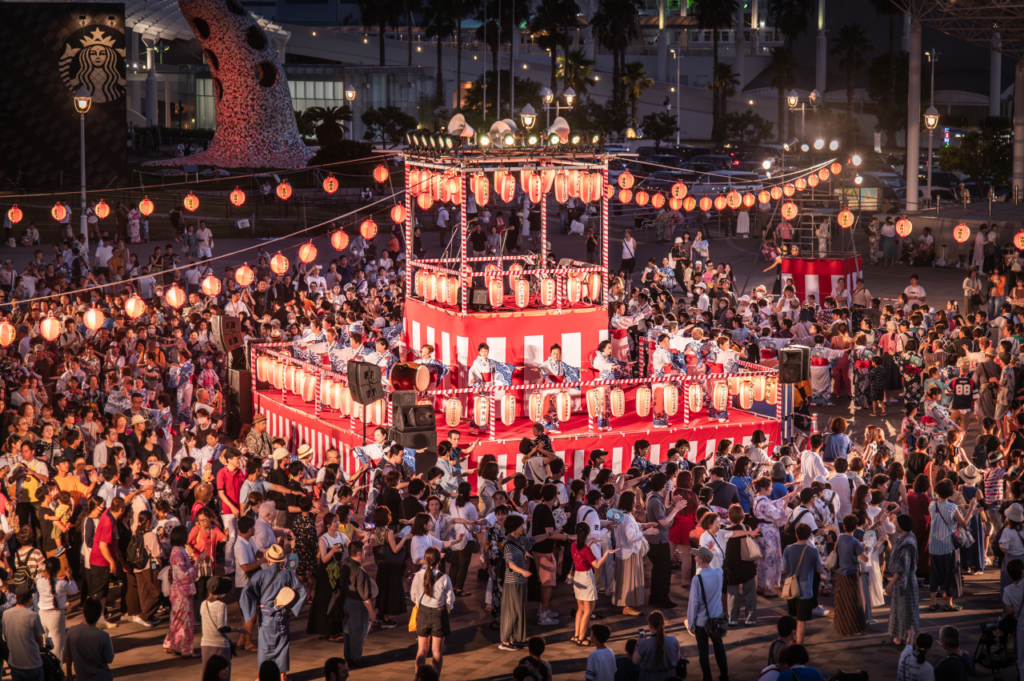
    For travelers who want to experience a traditional Japanese summer festival with a beautiful ocean view, the Kobe Sea Bon Dance Festival (こうべ海の盆踊り) is a perfect choice.

    Held at Meriken Park, this event combines traditional Bon Odori dancing with the atmosphere of Kobe’s waterfront.

    Visitors can enjoy:

    • Traditional Japanese dancing
    • Local food stalls
    • Summer festival entertainment
    • Night views of Kobe Port
    • A family-friendly cultural experience

    Even first-time visitors can join the dance and enjoy the welcoming atmosphere created by locals.

    Location: Meriken Park
    Recommended for: Culture lovers, families, and international visitors


    4. Watch Kobe Port Fireworks and Enjoy Summer Nights

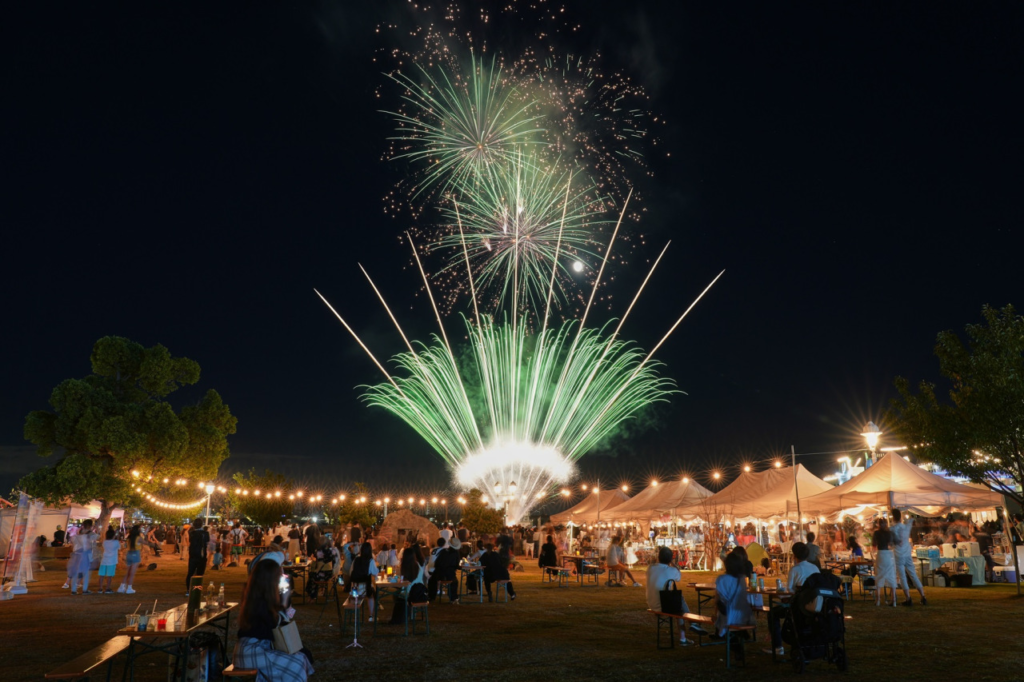
    A Japanese summer is not complete without fireworks, and Kobe offers beautiful nighttime views around its harbor area.

    Visitors can enjoy fireworks displays while exploring popular waterfront locations such as:

    • Meriken Park
    • Kobe Harborland
    • Kobe Port area

    The combination of fireworks, ocean views, and Kobe’s illuminated skyline creates a memorable summer evening experience.

    For the best experience, arrive early, enjoy dinner nearby, and take a relaxing walk along the harbor before the fireworks begin.


    5. Visit Arima Onsen for a Mountain Summer Escape

    For a different summer experience, visit Arima Onsen, one of Japan’s oldest hot spring towns.

    Located in the mountains of Kobe, Arima Onsen offers a peaceful atmosphere away from the busy city.

    Enjoy:

    • Historic streets
    • Traditional Japanese shops
    • Local sweets
    • Relaxing hot springs
    • Mountain scenery

    Summer is a great time to explore Arima Onsen because the surrounding nature becomes lush and beautiful.

    Travel time: Around 30 minutes from central Kobe


    6. Explore Kobe Nunobiki Herb Gardens

    Located near Shin-Kobe Station, Kobe Nunobiki Herb Gardens is one of the city’s most beautiful nature attractions.

    Visitors can enjoy:

    • Seasonal flowers
    • Botanical gardens
    • Mountain views
    • Café experiences
    • Ropeway rides overlooking Kobe

    It is an ideal summer destination for couples, families, and travelers looking for a relaxing activity.


    7. Enjoy Authentic Kobe Beef After Your Summer Adventures

    After exploring Kobe’s summer festivals, fireworks, and waterfront attractions, complete your trip with one of the city’s most famous specialties: Kobe Beef.

    A visit to Kobe is the perfect opportunity to experience the world-famous beef that carries the city’s name.

    After spending the day at events like Ikuta Shrine Summer Festival, Meriken Park water events, or sightseeing around Kobe Port, enjoying a Kobe Beef dinner is the perfect way to end your summer evening.

    For travelers looking for a comfortable and casual Kobe Beef experience, Kobe Beef Steak & Hamburg Kamishige offers high-quality Kobe Beef dishes in a welcoming atmosphere.

    Guests can enjoy:

    • Authentic Kobe Beef steak
    • Kobe Beef hamburg steak
    • Premium Japanese beef dishes
    • A relaxed dining experience suitable for tourists, families, couples, and solo travelers

    Kamishige is a great choice for visitors who want to enjoy Kobe Beef without the formal atmosphere often associated with luxury dining.

    Recommended Kobe Summer Itinerary:

    Afternoon
    → Explore Meriken Park and Kobe Harborland
    → Enjoy summer water events and harbor views

    Evening
    → Visit a Kobe summer festival or fireworks event
    → Enjoy authentic Kobe Beef at Kamishige

    Night
    → Walk along Kobe Port and enjoy the city lights


    Final Thoughts: Experience the Best of Kobe in Summer

    Kobe offers the perfect summer combination of culture, nature, food, and unforgettable experiences.

    From dancing at local festivals and enjoying waterfront events at Meriken Park to exploring Mount Rokko and tasting authentic Kobe Beef, there are countless ways to enjoy the city during the warmer months.

    For the ultimate Kobe summer trip, experience the sights, join the festivals, enjoy the harbor views, and end your day with a memorable Kobe Beef meal.

    Kobe is not just a destination — it is a summer experience you will remember.

  • Ichibo vs. Hiuchi: Which Kobe Beef Cut Should You Choose?

    Ichibo vs. Hiuchi: Which Kobe Beef Cut Should You Choose?

    If you’re planning to enjoy authentic Kobe Beef in Kobe, you may notice two premium cuts appearing on many restaurant menus: Ichibo (イチボ) and Hiuchi (ヒウチ).

    Both are rare cuts that come from carefully selected Kobe Beef cattle, but they offer very different eating experiences.

    So, which one is better? The answer depends on what you enjoy most in a steak.

    Let’s compare Ichibo and Hiuchi to help you choose the perfect Kobe Beef cut for your next meal.


    What Is Ichibo?

    Ichibo is a premium cut taken from the rump of the cow. It is one of the most popular cuts among Kobe Beef lovers because it offers an excellent balance between lean red meat and delicate marbling.

    Although only a small portion can be obtained from each animal, Ichibo is prized for its deep beef flavor and satisfying texture.

    Why people love Ichibo

    • Beautiful balance of lean meat and marbling
    • Rich umami flavor
    • Tender with a pleasant bite
    • Perfect for guests who enjoy the natural taste of beef

    If you like steaks with plenty of flavor but don’t want them to be overly rich, Ichibo is an excellent choice.


    What Is Hiuchi?

    Hiuchi is an even rarer cut located near the thigh.

    Despite coming from the leg, Hiuchi is surprisingly tender thanks to its fine marbling. It has a luxurious texture and a subtle sweetness that develops as the marbled fat melts during cooking.

    Because only a very small amount is available from each cow, Hiuchi is considered one of Kobe Beef’s hidden treasures.

    Why people love Hiuchi

    • Fine, beautiful marbling
    • Extremely tender texture
    • Rich, buttery flavor
    • Luxurious melt-in-your-mouth experience

    For guests who want to experience the famous richness of Kobe Beef, Hiuchi is hard to beat.


    Ichibo vs. Hiuchi: Quick Comparison

    FeatureIchiboHiuchi
    Marbling★★★☆☆★★★★★
    Beef Flavor★★★★★★★★★☆
    Tenderness★★★★☆★★★★★
    Richness★★★☆☆★★★★★
    RarityRareVery Rare

    Flavor

    One of the biggest differences between these cuts is their flavor profile.

    Ichibo highlights the natural taste of premium Kobe Beef. The lean meat delivers a deeper, richer beef flavor while the marbling keeps every bite juicy and tender.

    Hiuchi, on the other hand, offers a richer and slightly sweeter taste. Its abundant marbling melts beautifully, creating the luxurious texture Kobe Beef is famous for.


    Texture

    Both cuts are exceptionally tender, but they feel different when you eat them.

    Ichibo has a little more bite, making it satisfying for people who enjoy the texture of steak.

    Hiuchi is noticeably softer. The marbling melts quickly, giving it the smooth, buttery mouthfeel that many first-time visitors expect from Kobe Beef.


    Which Cut Has More Marbling?

    If marbling is what you’re looking for, Hiuchi is the clear winner.

    Its fine network of intramuscular fat creates an incredibly juicy steak with a silky texture.

    Ichibo still contains beautiful marbling, but it offers a more balanced combination of red meat and fat.


    Which Cut Has More Beef Flavor?

    For guests who enjoy the rich taste of beef itself, Ichibo is often the preferred choice.

    Its higher proportion of lean meat creates a stronger umami flavor while still retaining the tenderness that makes Kobe Beef so special.


    Which One Should You Choose?

    Choose Ichibo if you:

    • Prefer leaner steaks
    • Enjoy a rich, beef-forward flavor
    • Want a balanced combination of marbling and red meat
    • Like a steak with a satisfying bite

    Choose Hiuchi if you:

    • Love heavily marbled beef
    • Want the classic melt-in-your-mouth Kobe Beef experience
    • Enjoy buttery textures and natural sweetness
    • Are looking for a luxurious dining experience

    Can’t Decide? Try Both!

    If it’s your first time enjoying Kobe Beef, why not compare both?

    Although Ichibo and Hiuchi come from the same animal, they offer surprisingly different flavors and textures.

    Tasting them side by side is one of the best ways to discover your personal favorite and appreciate the craftsmanship behind authentic Kobe Beef.


    Experience Rare Kobe Beef Cuts at Kamishige

    At Kobe Beef Steak & Hamburg Kamishige, we carefully select premium Kobe Beef and offer a variety of rare cuts, including Ichibo and Hiuchi.

    Whether you prefer the rich, beefy flavor of Ichibo or the luxurious tenderness of Hiuchi, you’ll experience the exceptional quality that has made Kobe Beef one of the world’s most celebrated culinary treasures.

    If you’re visiting Kobe, don’t miss the opportunity to discover these two remarkable cuts and enjoy authentic Kobe Beef in its birthplace.


    Frequently Asked Questions

    Is Hiuchi better than Ichibo?

    Neither is objectively better. Hiuchi has more marbling and a softer texture, while Ichibo offers a richer beef flavor with a balanced amount of marbling.

    Which cut is rarer?

    Both are rare, but Hiuchi is generally available in even smaller quantities.

    Which cut is best for first-time visitors?

    If you want to experience the natural flavor of Kobe Beef, choose Ichibo. If you’re looking for the famous melt-in-your-mouth texture, Hiuchi is an excellent choice.

  • Summer Lunch in Kobe: Why Kobe Beef Makes the Perfect Midday Meal

    Summer Lunch in Kobe: Why Kobe Beef Makes the Perfect Midday Meal

    A Perfect One-Day Trip in Kobe: Sightseeing, Local Culture, and Authentic Kobe Beef

    Kobe is one of Japan’s most charming port cities, known for its stunning waterfront, international history, scenic mountains, and world-famous Kobe Beef. Whether you’re visiting from Osaka, Kyoto, or another part of Japan, Kobe is the perfect destination for a relaxing day trip.

    Here’s a suggested itinerary to help you experience the best of Kobe in just one day.


    9:00 AM – Start Your Morning at Kitano Ijinkan

    Begin your day in the historic Kitano district, where beautifully preserved Western-style houses tell the story of Kobe’s international past. Stroll through the quiet streets, visit charming cafés, and enjoy panoramic views of the city.

    This area is perfect for taking photos and enjoying a slower start to your day.

    Travel Tip: Wear comfortable shoes, as the streets are hilly.


    11:00 AM – Visit Ikuta Shrine

    Just a short walk from Sannomiya Station, Ikuta Shrine is one of Japan’s oldest Shinto shrines, with a history of over 1,800 years.

    Take a peaceful walk through the shrine grounds before continuing your journey into the heart of Kobe.


    12:00 PM – Enjoy an Authentic Kobe Beef Lunch at Kamishige

    No visit to Kobe is complete without tasting authentic Kobe Beef.

    Located in the city center, Kamishige offers carefully selected certified Kobe Beef prepared to highlight its natural tenderness and rich flavor. Whether you choose a premium steak or a delicious Kobe Beef hamburger steak, lunch is the perfect time to experience one of Japan’s most celebrated ingredients.

    Our relaxed atmosphere makes it easy to take a break from sightseeing while enjoying a memorable meal.

    Reservation Recommended


    1:30 PM – Explore Nankinmachi (Kobe Chinatown)

    After lunch, head to Nankinmachi, one of Japan’s three largest Chinatowns.

    Browse colorful shops, sample local street food, and enjoy the lively atmosphere. Even if you’ve just finished lunch, it’s worth trying a few desserts or refreshing drinks while exploring the area.


    3:00 PM – Relax at Meriken Park and Kobe Harborland

    Spend your afternoon along Kobe’s beautiful waterfront.

    Visit iconic landmarks such as:

    • Kobe Port Tower
    • BE KOBE Monument
    • Meriken Park
    • Kobe Maritime Museum

    Continue your walk to Harborland, where you’ll find waterfront cafés, shopping, and scenic views of Kobe Port.

    It’s the perfect place to relax and take in the city’s unique blend of urban and coastal scenery.


    5:30 PM – Watch the Sunset Over Kobe Harbor

    As evening approaches, Kobe Harbor becomes one of the city’s most picturesque locations.

    Enjoy the sunset reflecting across the water before the city lights begin to illuminate the skyline.

    It’s a wonderful way to end your day with unforgettable views.


    Optional Evening: Mount Rokko Night View

    If you have extra time, take the ropeway or drive up Mount Rokko to enjoy one of Japan’s most famous night views.

    Often called the “Million Dollar Night View,” the panoramic scenery overlooking Kobe, Osaka Bay, and beyond is well worth the trip.


    Why Kobe Is Perfect for a Day Trip

    One of Kobe’s greatest advantages is that many of its top attractions are located close together. You can easily travel between historic neighborhoods, cultural landmarks, shopping districts, and the waterfront using public transportation or on foot.

    Whether you’re interested in history, architecture, shopping, or incredible food, Kobe offers something for every traveler.

    Complete Your Kobe Adventure with Authentic Kobe Beef

    A visit to Kobe isn’t complete without experiencing the city’s most famous delicacy. At Kamishige, we’re proud to serve authentic certified Kobe Beef in a welcoming atmosphere that reflects the warmth and hospitality of Kobe.

    Whether you’re joining us for lunch before exploring the harbor or making Kobe Beef the highlight of your trip, we look forward to welcoming you and helping make your day in Kobe truly unforgettable.

  • What Is Pilaf Rice? Discover the Flavor Behind Our Signature Side Dish

    What Is Pilaf Rice? Discover the Flavor Behind Our Signature Side Dish

    When enjoying a delicious steak, most people naturally think of pairing it with a bowl of steamed white rice. At Kobe Beef Steak & Hamburg Kamishige, however, many guests are pleasantly surprised to discover another favorite on our menu—pilaf rice.

    Fragrant, buttery, and full of flavor, pilaf rice is the perfect companion to premium Kobe Beef. But what exactly is pilaf rice, and why does it pair so well with steak?

    What Is Pilaf Rice?

    Pilaf (also called pilau in some countries) is a rice dish that is first sautéed in butter or oil before being cooked in a flavorful broth. Unlike plain steamed rice, pilaf absorbs the rich flavors of ingredients such as onions, garlic, herbs, and spices while cooking.

    The result is rice that is fluffy, aromatic, and packed with savory flavor.

    Pilaf has been enjoyed for centuries across the Middle East, Central Asia, Europe, and Japan, with each region creating its own unique version.

    Japanese-Style Pilaf

    In Japan, pilaf has become a popular Western-inspired rice dish served in cafés, restaurants, and steak houses.

    Japanese pilaf is typically prepared with:

    • Butter
    • Onion
    • Garlic
    • Stock or broth
    • Black pepper
    • Seasonal vegetables
    • Occasionally mushrooms, seafood, or chicken

    The flavor is mild, fragrant, and designed to complement the main dish rather than overpower it.

    Why Pilaf Rice Pairs Perfectly with Kobe Beef

    Authentic Kobe Beef is known for its delicate marbling, rich umami, and melt-in-your-mouth texture.

    Pilaf rice complements these qualities because it provides:

    Rich Aroma

    The buttery fragrance enhances the aroma of freshly grilled Kobe Beef.

    Balanced Flavor

    Unlike heavily seasoned fried rice, pilaf has a gentle, savory taste that allows the natural flavor of the beef to remain the star.

    Perfect Texture

    The light, fluffy grains absorb the juices from the steak beautifully, creating a delicious combination in every bite.

    Our Signature Pilaf at Kamishige

    At Kobe Beef Steak & Hamburg Kamishige, our pilaf is prepared to pair perfectly with our steaks and hamburg steaks.

    We use carefully selected Japanese ingredients to create a rice dish that is flavorful yet balanced, allowing the quality of our Kobe Beef to shine.

    Many guests enjoy alternating bites of steak and pilaf, discovering how the rich beef juices blend with the fragrant rice to create an unforgettable dining experience.

    Free Refills at Lunch

    One of our most popular lunch features is our free refills of pilaf rice and white rice.

    Whether you prefer the fragrant flavor of our signature pilaf or classic Japanese rice, you can enjoy additional servings during lunch.

    It’s one of the reasons many local customers and visitors return again and again.

    Pilaf Rice vs. Fried Rice

    Although they may look similar, pilaf and fried rice are prepared differently.

    Pilaf Rice

    • Rice is cooked in seasoned broth.
    • Light, fluffy texture.
    • Mild buttery flavor.
    • Designed to complement the main dish.

    Fried Rice

    • Usually made with already cooked rice.
    • Stir-fried over high heat.
    • Stronger seasoning.
    • Often served as a meal by itself.

    Pilaf offers a more refined flavor that pairs especially well with premium steak.

    Experience Kobe Beef with Pilaf Rice in Kobe

    If you’re visiting Kobe, don’t miss the opportunity to enjoy authentic Kobe Beef alongside Japanese-style pilaf rice.

    At Kobe Beef Steak & Hamburg Kamishige, we believe that every part of the meal matters—from carefully selected Kobe Beef to the rice served beside it.

    Our signature pilaf is crafted to enhance the natural flavor of our steaks, creating a dining experience that is both comforting and memorable.

    Whether you’re visiting for lunch or dinner, we invite you to discover why this simple side dish has become one of our guests’ favorites.

  • The Perfect Pairing: Which Japanese Whiskies Go Best with Kobe Beef?

    The Perfect Pairing: Which Japanese Whiskies Go Best with Kobe Beef?

    When people think of Kobe Beef, they often focus on its exquisite marbling, tenderness, and rich umami flavor. However, choosing the right drink can elevate the experience even further.

    While red wine is a classic choice, Japanese whisky has become increasingly popular among food lovers looking to complement the unique characteristics of Kobe Beef. The balance, complexity, and craftsmanship found in Japanese whisky make it an ideal partner for one of Japan’s most celebrated culinary treasures.

    Why Japanese Whisky Pairs Well with Kobe Beef

    Kobe Beef is known for its delicate marbling and rich flavor. Unlike heavily peated Scotch whiskies, many Japanese whiskies offer subtle notes of fruit, oak, honey, and spice that enhance the beef’s natural umami without overpowering it.

    The key is finding a whisky that complements the cut and preparation style of the steak.

    https://house.suntory.com/yamazaki-whisky

    1. Yamazaki Single Malt

    Best Pairing:

    • Kobe Beef Sirloin
    • Marbled Cuts (Ichibo, Tomosankaku)

    The rich fruit notes and gentle oak influence of Yamazaki create a luxurious pairing with highly marbled Kobe Beef. Its smooth finish helps cleanse the palate while highlighting the sweetness of the beef fat.

    Flavor Notes:

    • Honey
    • Dried fruit
    • Oak
    • Mild spice

    https://house.suntory.com/hakushu-whisky

    2. Hakushu Single Malt

    Best Pairing:

    • Lean Kobe Beef Cuts
    • Filet Mignon
    • Akami (Lean Red Meat)

    Hakushu is known for its fresh and slightly herbal character. The light smokiness works particularly well with leaner cuts, allowing the natural flavor of the beef to remain the star of the meal.

    Flavor Notes:

    • Green apple
    • Mint
    • Light smoke
    • Fresh herbs

    https://www.vogue.com/sponsored/article/hibiki-japanese-harmony-blossoms-before-the-lens-of-londons-brightest-photographer

    3. Hibiki Japanese Harmony

    Best Pairing:

    • Teppanyaki Kobe Beef
    • Kobe Beef Course Menus

    Hibiki offers remarkable balance and elegance, making it one of the most versatile Japanese whiskies for food pairing. Its smooth profile complements a wide range of Kobe Beef dishes.

    Flavor Notes:

    • Orange peel
    • Honey
    • Floral aromas
    • Soft oak

    https://www.ndc.co.jp/en/projects/nikka-taketsuru/

    4. Nikka Taketsuru Pure Malt

    Best Pairing:

    • Kobe Beef with Garlic
    • Rich Steak Dinners

    Taketsuru’s deeper malt character and subtle smokiness pair beautifully with grilled flavors and savory seasonings.

    Flavor Notes:

    • Malt
    • Dark fruit
    • Light smoke
    • Nuts

    https://en.jpwhisky.net/suntory-whisky-chita-2-10277/

    5. Chita Single Grain

    Best Pairing:

    • First-Time Whisky Drinkers
    • Lunch Steak Sets

    For guests new to Japanese whisky, Chita’s gentle sweetness and approachable profile provide an easy introduction while complementing the delicate flavors of Kobe Beef.

    Flavor Notes:

    • Vanilla
    • Honey
    • Soft sweetness
    • Light oak

    How to Enjoy Kobe Beef and Whisky Together

    For the best experience:

    • Take a small bite of steak first.
    • Allow the beef’s umami and marbling to coat your palate.
    • Follow with a sip of whisky.
    • Notice how the flavors evolve and complement one another.

    Many guests are surprised by how well Japanese whisky enhances the sweetness and richness of premium Kobe Beef.

    Experience Kobe Beef and Japanese Whisky in Kobe

    There is no better place to discover this pairing than in Kobe itself.

    Whether you prefer a richly marbled steak paired with Yamazaki or a lean Kobe Beef filet alongside Hakushu, combining authentic Kobe Beef with premium Japanese whisky offers a uniquely Japanese dining experience.

    For those looking to enjoy Kobe’s nightlife, our restaurant transforms into a cozy hidden bar in the evening, where guests can explore carefully selected Japanese whiskies alongside premium Kobe Beef dishes.

  • Marbling in Kobe Beef: What Makes It So Special?

    Marbling in Kobe Beef: What Makes It So Special?

    When people think of Kobe Beef, one of the first things that comes to mind is its beautiful marbling. The delicate white patterns spread throughout the meat are not just visually stunning—they are one of the key reasons why Kobe Beef is considered one of the world’s most luxurious foods.

    But what exactly is marbling, and why does it make Kobe Beef so special?

    What Is Marbling?

    Marbling refers to the fine streaks of intramuscular fat distributed throughout the meat.

    Unlike the thick layers of fat found around some cuts of beef, marbling is evenly woven into the muscle itself. This creates the signature appearance that premium Kobe Beef and Japanese wagyu are famous for.

    The quality of marbling is one of the most important factors used when grading beef in Japan.

    Why Is Marbling Important?

    Marbling affects much more than appearance.

    It directly influences:

    • Flavor
    • Tenderness
    • Juiciness
    • Aroma
    • Overall eating experience

    As the beef cooks, the marbled fat gently melts into the meat, creating a rich flavor and incredibly tender texture.

    This is what gives Kobe Beef its famous melt-in-your-mouth sensation.

    What Makes Kobe Beef Marbling Unique?

    Many types of wagyu have excellent marbling, but Kobe Beef is known for its particularly fine and delicate distribution of fat.

    Rather than large pockets of fat, authentic Kobe Beef develops intricate marbling that is evenly spread throughout the meat.

    This creates a luxurious texture without feeling overly heavy.

    The result is a balance of:

    • Rich umami flavor
    • Natural sweetness
    • Exceptional tenderness
    • Clean finish

    The Role of Tajima Cattle

    Authentic Kobe Beef comes exclusively from purebred Tajima cattle raised in Hyogo Prefecture.

    These cattle possess unique genetic traits that allow them to develop the fine marbling for which Kobe Beef is renowned.

    Combined with generations of careful breeding and expert farming techniques, these genetics help produce beef of extraordinary quality.

    More Than Just Fat

    A common misconception is that marbling simply means more fat.

    In reality, premium Kobe Beef is valued because of the quality of the fat rather than the quantity.

    Kobe Beef fat has a lower melting point than ordinary beef fat.

    This means it begins melting at lower temperatures, creating the smooth, buttery texture that has made Kobe Beef famous worldwide.

    Rather than feeling greasy, properly prepared Kobe Beef offers a refined and elegant dining experience.

    Is More Marbling Always Better?

    Not necessarily.

    While high marbling is a hallmark of premium wagyu, balance is equally important.

    At Kobe Beef Steak Kamishige, we believe the ideal Kobe Beef experience comes from the harmony between:

    • Rich marbling
    • Deep red-meat flavor
    • Natural umami
    • Proper cooking technique

    This is why many guests enjoy cuts such as:

    • Ichibo
    • Hiuchi
    • Rump
    • Marushin
    • Uchimomo
    • Kamenoko

    These cuts showcase both the exceptional marbling and the distinctive flavor of Kobe Beef.

    How Kobe Beef Is Graded

    Japan uses a strict grading system to evaluate beef quality.

    Factors include:

    • Marbling score
    • Meat color
    • Fat quality
    • Texture
    • Yield

    Only a small percentage of cattle meet the standards required for authentic Kobe Beef certification.

    This rigorous process helps maintain Kobe Beef’s reputation as one of the world’s finest beef brands.

    Experience Authentic Kobe Beef in Kobe

    The best way to understand Kobe Beef marbling is to taste it yourself.

    Whether you choose a richly marbled cut or a leaner steak with subtle marbling, authentic Kobe Beef offers a unique combination of flavor, texture, and craftsmanship that cannot be replicated elsewhere.

    At Kobe Beef Steak & Hamburg Kamishige, we carefully select high-quality Kobe Beef that highlights both the beauty of its marbling and the richness of its natural flavor.

    If you’re visiting Kobe, experiencing authentic Kobe Beef is more than just a meal—it’s a chance to discover one of Japan’s most celebrated culinary traditions.

    Final Thoughts

    Marbling is one of the defining characteristics of Kobe Beef, but what truly makes it special is the balance it creates.

    The combination of fine marbling, exceptional genetics, expert craftsmanship, and strict quality standards produces a steak unlike any other in the world.

    For food lovers visiting Kobe, enjoying authentic Kobe Beef is an unforgettable experience and one of the best ways to appreciate the artistry behind Japan’s most famous wagyu.

  • Kobe Beef vs Wagyu: What’s the Difference?

    Kobe Beef vs Wagyu: What’s the Difference?

    If you’re planning a trip to Japan, you’ve probably heard the terms Kobe Beef and Wagyu. While many people use these names interchangeably, they are not actually the same thing.

    In fact, all Kobe Beef is Wagyu, but not all Wagyu is Kobe Beef.

    Understanding the difference can help you choose the best dining experience during your visit to Japan, especially if you’re looking to enjoy authentic Japanese beef in Kobe.

    What Is Wagyu?

    “Wagyu” (和牛) simply means Japanese cattle.

    There are four recognized breeds of wagyu in Japan:

    • Japanese Black
    • Japanese Brown
    • Japanese Shorthorn
    • Japanese Polled

    Among these, Japanese Black cattle are the most famous and are responsible for the exceptional marbling that has made wagyu popular around the world.

    Wagyu is produced throughout Japan, with famous regional brands including:

    • Matsusaka Beef
    • Omi Beef
    • Yonezawa Beef
    • Miyazaki Beef
    • Kagoshima Beef
    • Kobe Beef

    Each region has its own feeding methods, climate, and breeding traditions, resulting in unique flavors and textures.

    What Is Kobe Beef?

    Kobe Beef is one of Japan’s most prestigious and exclusive wagyu brands.

    To be officially certified as Kobe Beef, cattle must meet strict requirements:

    • Be purebred Tajima cattle
    • Be born and raised in Hyogo Prefecture
    • Pass rigorous quality and grading standards
    • Be certified by the official Kobe Beef certification system

    Because of these strict regulations, only a small percentage of cattle qualify as authentic Kobe Beef each year.

    This limited supply is one of the reasons why Kobe Beef is considered one of the world’s most luxurious foods.

    Kobe Beef vs Wagyu: Key Differences

    1. Origin

    Wagyu

    • Produced throughout Japan
    • Includes many regional brands

    Kobe Beef

    • Exclusively produced in Hyogo Prefecture
    • Must come from Tajima cattle

    2. Certification Standards

    Wagyu

    • Quality varies by producer and region

    Kobe Beef

    • Subject to some of Japan’s strictest certification standards
    • Every animal is individually inspected

    3. Rarity

    Wagyu

    • Widely available throughout Japan

    Kobe Beef

    • Extremely limited production
    • Only a small number of cattle are certified annually

    4. Flavor and Texture

    Wagyu

    • Flavor profile varies by region and breed
    • Can range from rich and buttery to robust and beefy

    Kobe Beef

    • Known for exceptionally fine marbling
    • Delicate sweetness
    • Melt-in-your-mouth texture
    • Elegant, refined finish

    Why Is Kobe Beef So Famous?

    Exceptional Marbling

    Kobe Beef is renowned for its beautiful marbling, which creates its signature tenderness and rich flavor.

    The finely distributed fat melts at a low temperature, producing the famous melt-in-your-mouth experience.

    Centuries of Tradition

    The roots of Kobe Beef trace back to Tajima cattle raised in Hyogo Prefecture for generations. Careful breeding and strict lineage management have helped preserve the unique qualities of Kobe Beef.

    Global Reputation

    Since the opening of Kobe Port in the 19th century, Kobe Beef has gained international recognition. Today, food lovers from around the world travel to Kobe specifically to experience authentic Kobe Beef in its birthplace.

    Is Kobe Beef Worth the Price?

    Many visitors wonder why Kobe Beef is more expensive than other types of wagyu.

    The answer lies in:

    • Limited supply
    • Strict certification standards
    • Exceptional quality
    • Generations of expert breeding and farming

    For many travelers, Kobe Beef is not simply a meal—it’s a once-in-a-lifetime culinary experience that represents the best of Japanese food culture.

    Which Should You Choose?

    Choose Kobe Beef If:

    • You want to try one of Japan’s most famous luxury foods
    • You are visiting Kobe
    • You want the highest level of quality and exclusivity
    • You’re looking for an unforgettable dining experience

    Choose Other Wagyu If:

    • You want to explore different regional styles of Japanese beef
    • You’re interested in comparing flavor profiles
    • You prefer a wider range of price options

    Experience Authentic Kobe Beef in Kobe

    While Japan offers many outstanding wagyu brands, Kobe Beef remains one of the most celebrated.

    Whether you choose a tender Filet, flavorful Ichibo, luxurious Sirloin, or rare Tomosankaku, enjoying authentic Kobe Beef in Kobe allows you to experience centuries of craftsmanship, tradition, and culinary excellence.

    If you’re visiting Kobe, tasting certified Kobe Beef at a reputable restaurant is one of the best ways to discover why it continues to captivate food lovers from around the world.

    Frequently Asked Questions

    Is Kobe Beef better than Wagyu?

    Kobe Beef is a type of wagyu that meets stricter certification requirements. Whether it is “better” depends on personal preference, but it is generally considered one of the highest-quality wagyu brands in the world.

    Can all wagyu be called Kobe Beef?

    No. Only cattle that meet strict Kobe Beef certification standards can be labeled as Kobe Beef.

    Why is Kobe Beef so expensive?

    Its high price comes from limited production, strict quality standards, specialized breeding, and worldwide demand.

    Where can I eat authentic Kobe Beef?

    The best place to experience authentic Kobe Beef is in Kobe, Hyogo Prefecture, where certified restaurants serve genuine Kobe Beef sourced directly from approved producers.

  • Best Cuts of Kobe Beef

    Best Cuts of Kobe Beef

    Ichibo (イチボ)

    Ichibo is a prized cut taken from the rump area of the cow. It offers an excellent balance between lean meat and marbling, delivering rich beef flavor with a tender texture. Because only a small portion can be obtained from each animal, it is considered a rare and highly sought-after cut.

    Characteristics:

    • Balanced marbling and lean meat
    • Rich umami flavor
    • Tender yet satisfying texture

    Hiuchi (ヒウチ)

    Hiuchi is a rare cut located near the thigh and is known for its beautiful marbling. Despite being part of the leg, it remains surprisingly tender and juicy. The combination of rich fat and deep beef flavor makes it one of the hidden gems of Kobe Beef.

    Characteristics:

    • Fine marbling
    • Tender texture
    • Rich and luxurious flavor

    Rump (ランプ)

    Rump is a lean cut taken from the hindquarter of the cow. It is popular among those who enjoy the natural flavor of beef without excessive fat. Kobe Beef rump offers a clean finish while maintaining excellent tenderness.

    Characteristics:

    • Lean and flavorful
    • Strong beef taste
    • Soft texture with less fat

    Marushin (マルシン)

    Marushin is a rare cut from the center of the round. It has a delicate texture and concentrated umami flavor. While relatively lean, its fine muscle fibers create a surprisingly tender eating experience.

    Characteristics:

    • Lean yet tender
    • Fine-grained texture
    • Rich beef flavor

    Uchimomo (内モモ)

    Uchimomo is an inner round cut known for its low fat content and clean taste. It highlights the natural quality of Kobe Beef and is favored by diners who prefer a healthier, leaner steak option.

    Characteristics:

    • Low fat content
    • Clean and refined flavor
    • Firm yet tender texture

    Kamenoko (亀の子)

    Kamenoko is a lean cut from the round section, named after its turtle-shell-like shape. It has a robust beef flavor and a pleasantly firm texture. This cut is especially appreciated by those who enjoy the authentic taste of premium Kobe Beef red meat.

    Characteristics:

    • Rich red-meat flavor
    • Firm texture
    • Lean and satisfying